
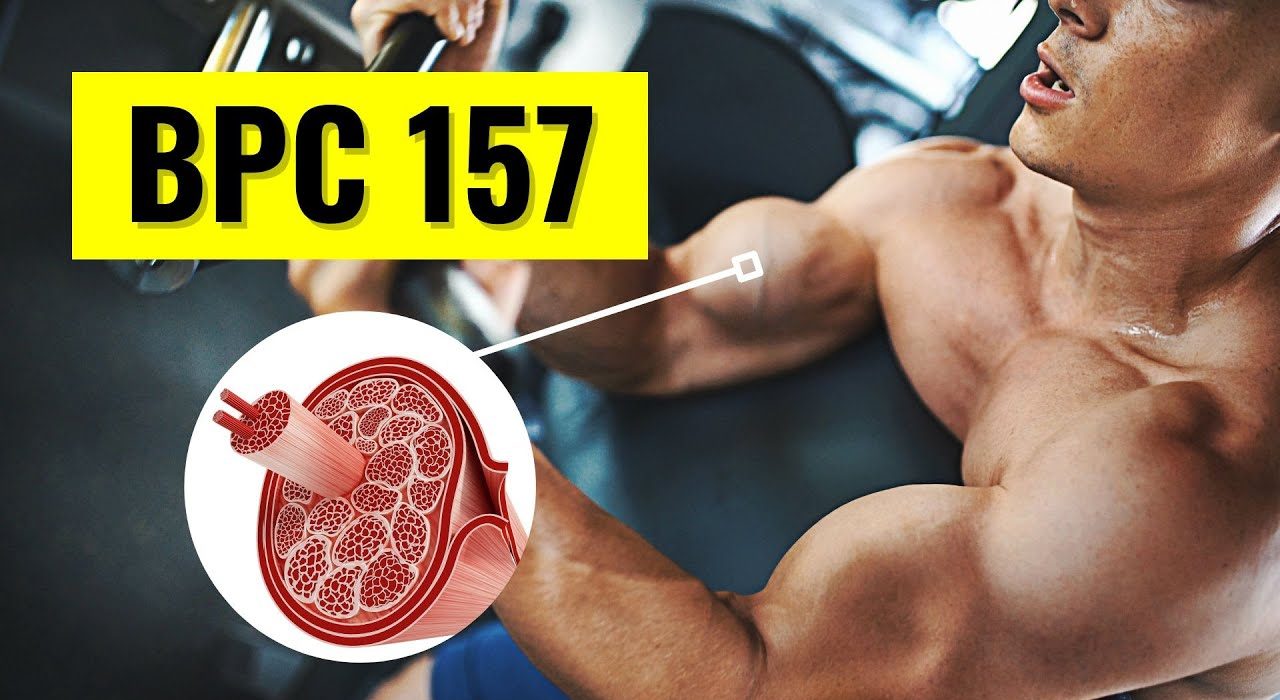

BPC-157 has become one of the most talked-about compounds in the world of performance recovery, biohacking, and experimental therapeutics. Often marketed in formats such as “10 mg vials,” BPC-157 is not a traditional supplement but a synthetic peptide derived from a naturally occurring protein found in human gastric juice. Its growing popularity is driven by claims that it may accelerate healing, reduce inflammation, and support tissue repair—but the reality is more nuanced.
BPC-157 stands for “Body Protection Compound,” and it is a chain of 15 amino acids believed to play a role in protecting and repairing tissues in the body. Much of the interest in this peptide comes from preclinical studies, where it has demonstrated intriguing effects on muscle, tendon, ligament, and even nerve healing in animal models. Researchers have explored its potential in scenarios such as tendon injuries, gastrointestinal damage, and inflammation-related conditions, with results suggesting faster recovery and improved tissue integrity.
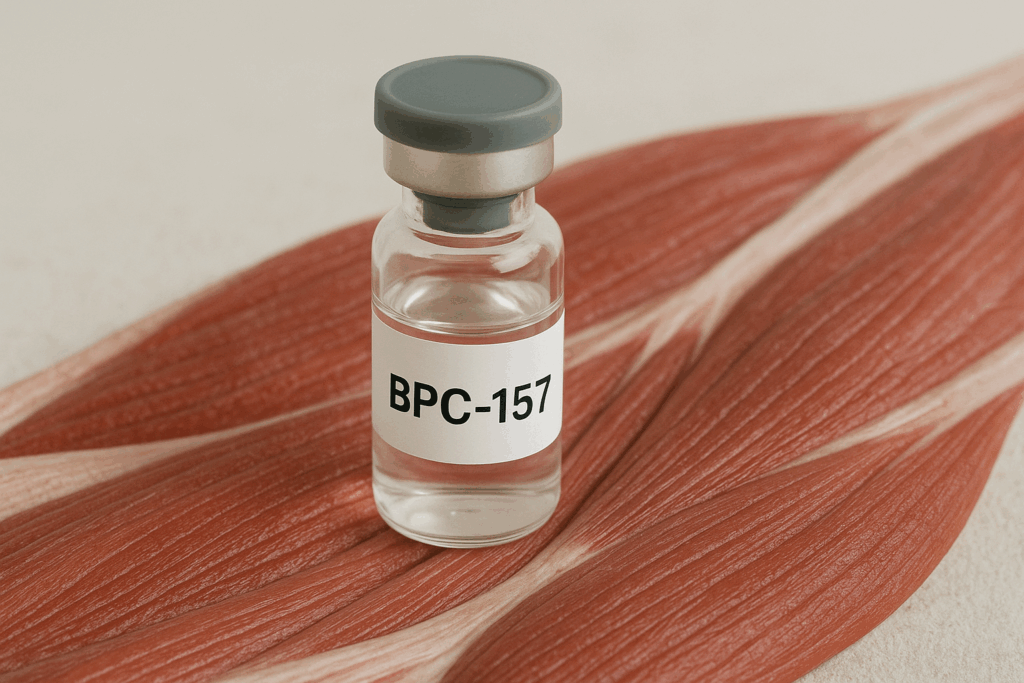
The “10 mg” label commonly associated with BPC-157 refers to the quantity of the peptide in a vial, typically sold in lyophilized (freeze-dried) form. This format is intended for reconstitution before use, although it’s important to emphasize that these products are generally sold as research chemicals and are not approved for human consumption in most countries. There are no standardized dosing guidelines, and the presence of a 10 mg quantity does not imply safety, effectiveness, or suitability for personal use.
One of the reasons BPC-157 has gained traction is its proposed mechanism of action. It appears to influence several biological pathways involved in healing, including angiogenesis (the formation of new blood vessels), collagen production, and the modulation of growth factors. These processes are essential for repairing damaged tissues, which is why the peptide is often discussed in the context of sports injuries or chronic pain. Some proponents even suggest it could help with gut health due to its origins in gastric proteins.
However, despite these promising mechanisms, it’s critical to understand the limitations of the current evidence. Most of the data supporting BPC-157 comes from animal studies or laboratory experiments. Human clinical trials are extremely limited, meaning there is no robust scientific consensus on how it behaves in the human body over the long term. This lack of data creates significant uncertainty around both its effectiveness and safety.
Another important consideration is quality and regulation. Because BPC-157 is not an approved pharmaceutical or dietary supplement, products labeled as such are not subject to the same manufacturing standards as regulated medications. This raises concerns about purity, contamination, and accurate labeling. A vial labeled “10 mg” may not actually contain that exact amount, or it could include impurities that pose health risks.
There is also a broader misconception that peptides like BPC-157 are a shortcut to faster recovery without the need for proper rehabilitation. In reality, healing is a complex, multi-factor process that involves rest, nutrition, physical therapy, and time. Even if compounds like BPC-157 eventually prove to be effective in clinical settings, they are unlikely to replace these foundational elements. At best, they might serve as an adjunct under medical supervision.
From a legal and ethical standpoint, BPC-157 occupies a gray area. It is often marketed online in ways that blur the line between research use and personal use, which can be misleading for consumers. Athletes should be particularly cautious, as many performance-enhancing substances—especially unapproved peptides—may fall under anti-doping regulations depending on the governing body.
It’s also worth noting that the appeal of BPC-157 reflects a broader trend in health and wellness: the desire for targeted, science-driven solutions that promise faster and more efficient results. While innovation in this space is valuable, it also increases the risk of premature adoption of compounds that have not been thoroughly tested. History has shown that early excitement around experimental substances does not always translate into safe or effective long-term outcomes.
In conclusion, BPC-157 in 10 mg formulations represents an intriguing but still highly experimental area of research. Its potential to support healing and recovery has made it popular among certain communities, but the lack of human data, regulatory oversight, and standardized usage guidelines makes it a risky choice outside of controlled scientific settings. Anyone interested in this peptide should approach it with caution, prioritize evidence-based practices, and recognize that there is no substitute for a well-rounded approach to health and recovery.